We explore 10 essential considerations in corporate web design, from brand identity to Core Web Vitals optimisation, with practical guidance for business websites.
Corporate web design is more than a basic online introduction: it is a strategic investment that represents your brand values and service quality online. Investors, corporate clients, journalists and potential business partners may encounter your corporate website first when researching your business. It therefore needs to do more than look attractive: it should build trust, communicate your message and encourage action .
How Does a Corporate Website Differ from a Basic Business Website?
A basic business website says, “Here are the services we provide.” A corporate website also presents brand values, company structure, sustainability policies, a newsroom, investor relations and career opportunities , alongside multilingual communication . Its audience extends beyond end customers to B2B partners, journalists, investors and prospective employees. For Antalya hotels, villa rental operators and expat-owned businesses, this may mean serving both local and international audiences.
1. Consistent Brand Identity
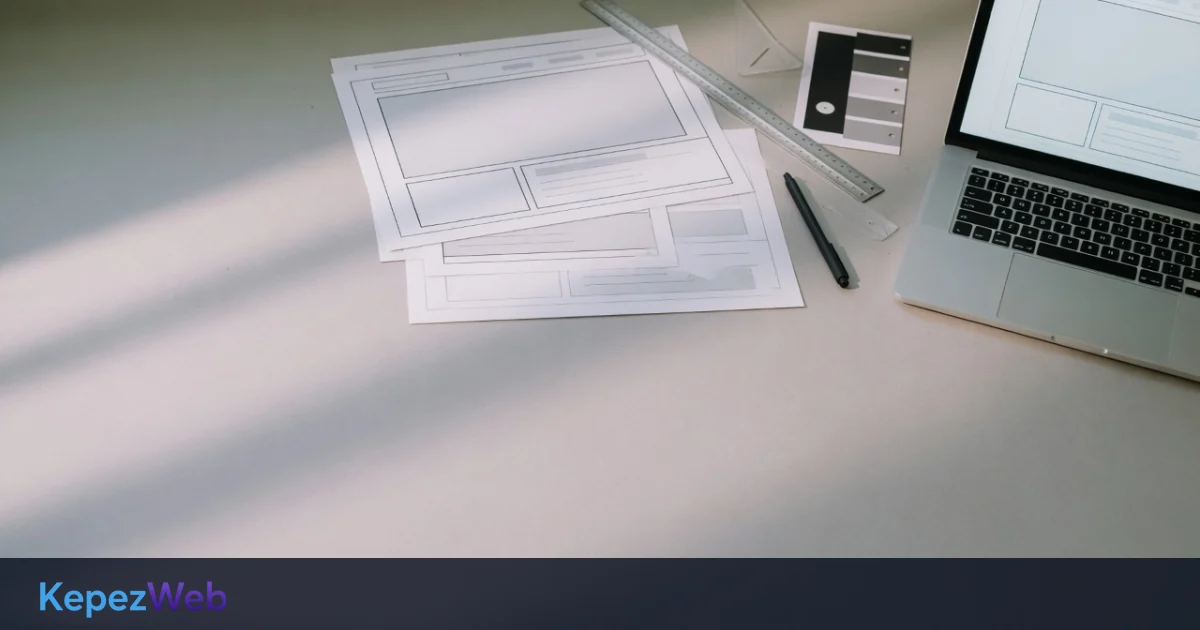
Your logo, brand colour palette, typography and tone of voice should be consistent throughout your website. Three different shades of green on one page, inconsistent font weights or mismatched wording such as “Our Clients” and “our customers” can undermine a professional impression. If you do not have brand guidelines, establish them at the start of the design process.
2. Speed and Core Web Vitals
INP (Interaction to Next Paint), which became a Core Web Vital in 2024, measures how quickly a page responds visually to user interaction. Aim for the following on your corporate website:
- LCP (Largest Contentful Paint): < 2.5 seconds
- INP (Interaction to Next Paint): < 200 milliseconds
- CLS (Cumulative Layout Shift): < 0.1
These are useful performance targets for a modern corporate website. Poor performance can make the mobile experience less usable and discourage enquiries, but meeting these targets does not guarantee conversions or search rankings.
3. Mobile-First Design
Mobile usage varies by audience; review your own website’s device distribution in your analytics reports. Google also uses a mobile crawler for indexing, so start the design process with mobile rather than desktop. For more detail, see our Mobile-Friendly Web Design article.
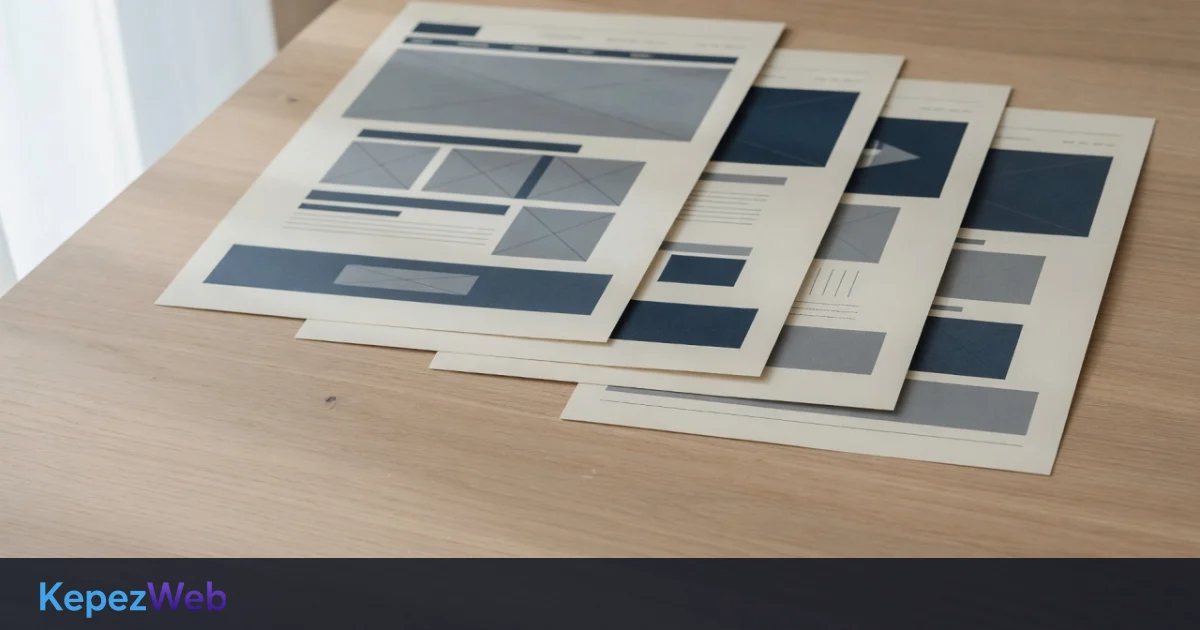
4. Clear Information Architecture
Depending on the organisation, a corporate website menu may include:
- About Us (vision, mission, team and history)
- Services / Solutions / Products
- Clients / Projects / Case Studies
- Blog / News / Newsroom
- Careers
- Contact
- Investor Relations (for publicly listed companies)
Keep key information easy to find, ideally within a few clicks, without imposing a rigid click limit on every journey.
5. Strong Calls to Action (CTAs)
Each page should end with a CTA that makes the next step clear, such as “Get a Quote”, “Request a Demo”, “Call Us” or “Download Our Catalogue”. Instead of passive wording such as “Click here to contact us”, use action-oriented language: “Share your project scope and request a quote”.
6. An SEO-Friendly Structure
Plan title tags, meta descriptions, a logical H1–H6 heading hierarchy, schema.org Organization structured data, canonical URLs and sitemap.xml during design. Around 50–60 characters for titles and 140–160 for descriptions can be useful editorial guidelines, rather than fixed search engine limits. For a more detailed structure, explore our SEO-Friendly Website guide.
7. Trust-Building Sections
Seven useful ways to build corporate credibility:
- Client testimonials (genuine names, companies, sectors and photos, used with permission)
- Client logos (only genuine business relationships, used with permission)
- Verifiable certifications, sector accreditations and trade association memberships; describe Turkey-specific KVKK compliance separately, not as a certification
- Project and client information that can be verified against records
- Press coverage and publication logos, used with permission
- Real team photos rather than AI-generated substitutes
- A genuine office address and map on the contact page, where applicable
8. Easy Contact Options
Make phone, email, WhatsApp and contact forms easy to find. On mobile, consider a persistent “Call” button that does not obstruct content. For businesses subject to Turkey's KVKK data protection rules, provide an appropriate privacy notice near the form and obtain consent where legally required. The correct wording and lawful basis should be reviewed for your specific use case.
9. A Comprehensive Admin Panel
Relying on an agency for every content update can add cost and delay. A corporate website's admin panel should support the following core functions:
- Page management (WYSIWYG editor, image management and SEO fields)
- Blog/news management (categories, tags and scheduling)
- Service/product management
- Client/project management
- Form submissions (filtering, tagging and export)
- User/role management (administrator and editor)
- SEO management (page-level metadata and structured data)
- Activity logs (who changed what and when)
10. Post-Launch Support
Launch is the start of the website's working life, not the end of the project. Plan for maintenance, security updates, performance improvements and content support. For a corporate project, consider a 12-month support agreement with clearly defined service levels and annual renewal terms appropriate to your needs.
Corporate Web Design Costs
A corporate website’s budget is determined by content volume, the number of languages, custom modules and integrations. Corporate portals also involve work on user roles and approval workflows. For detailed pricing, explore the packages on our Corporate Web Design page.
The KepezWeb Approach
At KepezWeb, we assess all 10 considerations above alongside project needs in our corporate web design projects. The scope of SEO foundations, schema.org markup, multilingual support and the admin panel is defined in the written proposal. Request a free quote for your project to get started.