What is web design, what does it cover, and how can it help your business? Explore professional website components, the design process, costs and 2026 trends.
Web design is a strategic discipline that shapes a brand’s first impression online, credibility and sales performance. A website presents a business’s products and services and supports potential customers as they research and make contact; its effect on sales depends on the audience and how it is used.
What Is Web Design?
Web design is not a single discipline; it is a layered process combining UI design, UX research, information architecture, typography, colour theory, front-end development and SEO foundations. Visitors quickly form an impression of a website’s professionalism, so design is not simply about looking good. It also means clear messaging, easy navigation and fast loading.
6 Essential Components of Professional Web Design
- UI/UX Design: Brand-specific, mobile-first screens created in tools such as Figma, using an iterative process that starts with user flows and low-fidelity wireframes.
- Front-End Development: Clean, accessible code using semantic HTML5, modern CSS (Grid, Flexbox, custom properties), vanilla JavaScript or React/Vue where appropriate.
- SEO Foundations: Schema.org markup, canonical URLs, robots.txt, sitemap.xml, hreflang, Open Graph, Twitter Cards and an SEO-friendly structure.
- Performance: Measurement-led performance improvements using WebP/AVIF images, lazy loading, code minification, a CDN and inline critical CSS.
- Content Management: A custom admin system that lets you manage content—pages, blog posts, services, products, images, menus and SEO settings—without relying on the agency for every update.
- Security: SSL/HTTPS, coding practices informed by the OWASP Top 10, CSP headers, brute-force protection and regular backups.
Why Is Web Design Strategic for Businesses?
1. First Impressions and Brand Trust
A poorly designed website can undermine trust, however good the product or service may be. When assessing a brand’s credibility, visitors may consider content, contact details and verifiable evidence as well as design. A modern, fast and well-organised site directs visitors towards brand information and conversion points.
2. SEO Performance
Fast loading, mobile usability, a clear heading hierarchy and sound technical foundations can support search visibility, alongside relevant content and other ranking factors. SEO-friendly development should begin at the design stage; adding SEO later can leave you with a patchwork solution.
3. Conversion Rate Optimisation (CRO)
A well-planned website can turn a visitor into a customer. Clear calls to action (CTAs), intuitive information architecture, trust signals such as client logos, reviews and certifications, and straightforward contact options can make decisions easier; their effect on conversions should be measured through testing.
4. Operational Efficiency
A website with a content management system reduces the need to contact an agency for every small change. Your team can update blog posts, services, products and project references in-house.
5. Competitive Advantage
While many competitors in your sector still use generic ready-made themes, a brand-specific, performance-focused website can strengthen brand perception. Search visibility, however, must be assessed alongside content, competition and technical conditions.
The Web Design Process: 7 Stages
- Discovery and Brief: The brand, target audience, competitors, conversion goals and technical requirements are clearly documented.
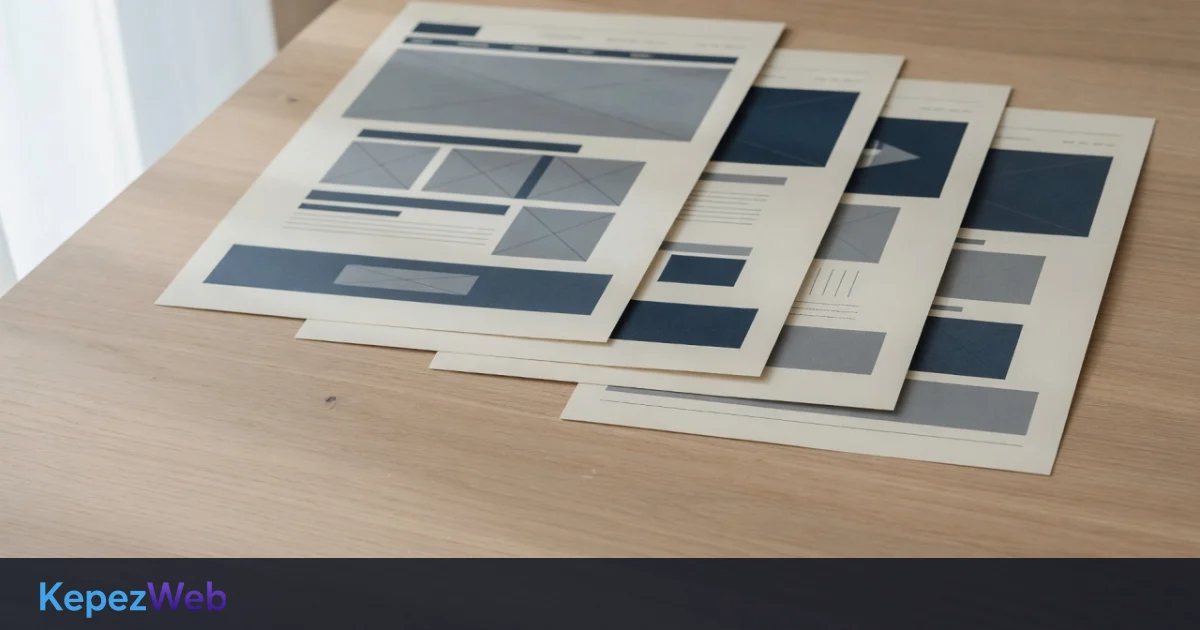
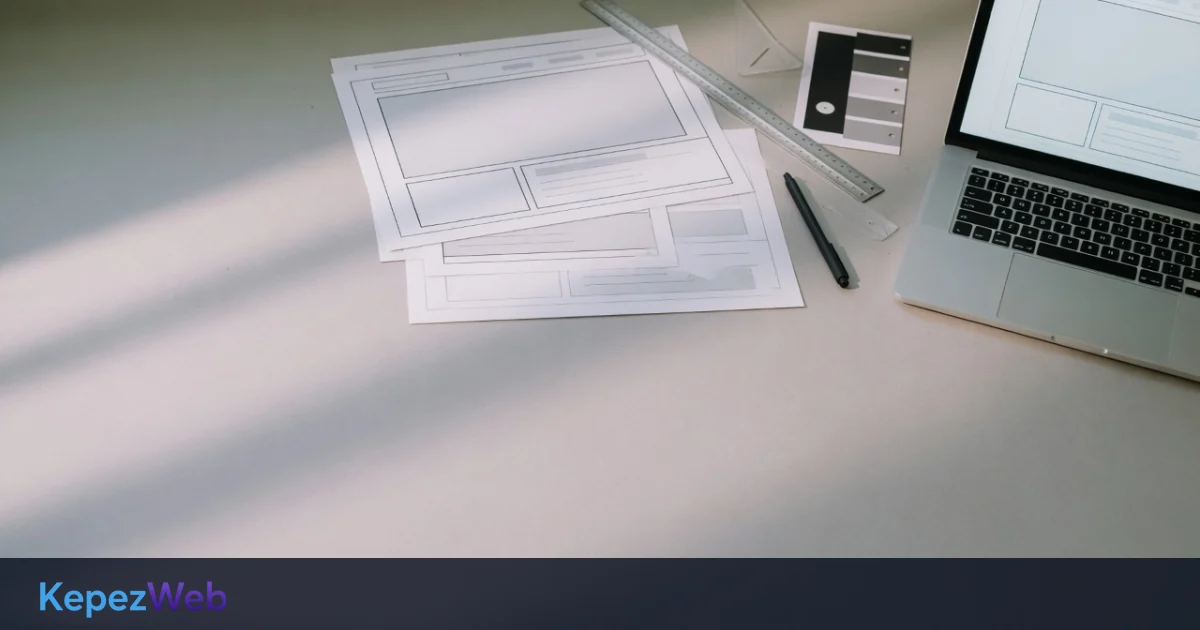
- Information Architecture and Wireframes: A sitemap is prepared, and low-fidelity wireframes for the main user journeys are presented.
- UI/UX Design: Figma designs aligned with the brand identity are submitted for approval across desktop, mobile and tablet layouts.
- Front-End Development: The designs are translated into code using semantic HTML5, modern CSS and vanilla JavaScript, or the chosen technology stack.
- Content and SEO Optimisation: Copy, images, schema markup, meta tags and structured data are added.
- Testing and Quality Assurance: Lighthouse and PageSpeed Insights checks, cross-browser testing, mobile device testing and accessibility reviews against WCAG.
- Launch and Support: DNS, SSL and server configuration, GA4/GSC setup, admin training and a 12-month support package.
Web Design Costs in Turkey (2026)
| Project Type | Cost Driver | Schedule Driver |
|---|---|---|
| Single-page landing page | Messaging, form and visual requirements | Content and approval readiness |
| Business brochure website (5–10 pages) | Page templates and content volume | Page and revision scope |
| Multilingual business website | Number of languages and localisation workload | Translations and language approvals |
| E-commerce website with integrations | Catalogue, payment and inventory integrations | Integration access and testing |
| Business portal with custom software | Custom workflows and user permissions | Analysis and development scope |
This table is not a price list; the budget and schedule are determined for each project once the brief and external dependencies are clear.
Ready-Made Theme or Custom Web Design?
Ready-made themes can appear cheaper initially, but unused CSS/JS, customisation limits, missing updates and a poor fit with the brand may create maintenance or redesign needs. For a detailed comparison, read Ready-Made Theme or Custom Web Design?.
Web Design Trends for 2026
- AI Overviews Readiness: In the era of generative search, schema.org markup, a clear quick-answer paragraph and appropriate FAQ markup can help make content easier to interpret, without guaranteeing inclusion in AI-generated results.
- Core Web Vitals (INP): INP replaced FID in 2024 and measures page responsiveness to user interactions.
- View Transitions API: Native fade and morph transitions between pages, with support depending on the browser version and implementation; Chrome 126+ and Safari 18.2+ are relevant versions to check.
- Container Queries and Subgrid: These CSS features expand the possibilities for modern responsive layouts.
- Accessibility (WCAG 2.2): Accessibility is increasingly important. The European Accessibility Act became applicable in the EU in 2025; obligations for businesses in Turkey depend on their activities and target markets and should be checked with qualified advisers.
The KepezWeb Approach
At KepezWeb, our professional web design service includes brand-specific UI/UX, Core Web Vitals optimisation, schema.org markup, a content management system and 12 months of support as standard. Based in Kepez, Antalya, we work remotely with businesses across Turkey and with UK, US, Irish and EU businesses. Tourism, hotels and villa rentals remain areas of expertise. Calls are available in English or Turkish. Alongside our SEO, Google Ads and custom software services, we build your website as scalable infrastructure for digital growth—not just a visual showcase.
Frequently Asked Questions
How long does web design take?The delivery schedule depends on the number of pages and languages, content readiness, integrations and approval stages. Once the brief is clear, the target delivery date and dependencies are shared in writing.
What affects web design pricing?The main factors are the number of pages, custom modules such as e-commerce, membership, multilingual functionality or API integrations, animation complexity and the number of revision rounds. These are detailed in the written proposal once the brief is agreed.
What does post-launch support include?A 12-month maintenance package is included as standard: security patches, hosting backup monitoring, content update support, minor design adjustments and monthly performance reporting.
Planning a professional website tailored to your brand? Tell us about your project for a free quote — we review your request and share recommendations based on your project’s scope.